


College football is back. There were eight games involving an FBS team on Saturday. If you weren’t able to clear your schedule, here are the big takeaways from Week 0: Bill Belichick is back, Virginia is winning the ACC, USC has some cool freshmen but fell three touchdowns short of covering the spread, North Dakota State still might be good at this level and Florida State still might not.
We’re always working with a small sample size in this sport, but it’s still strange to see the college football media machine start on its first pull and run flawlessly even though everyone acknowledges we still know nothing. The live reaction shows must go live on YouTube. The recaps and columns must be written. The only reaction with any traction at this early stage1 is overreaction. “North Carolina beat TCU in a foreign country, which is something but not everything,” isn’t a very strong take, but it is my take.
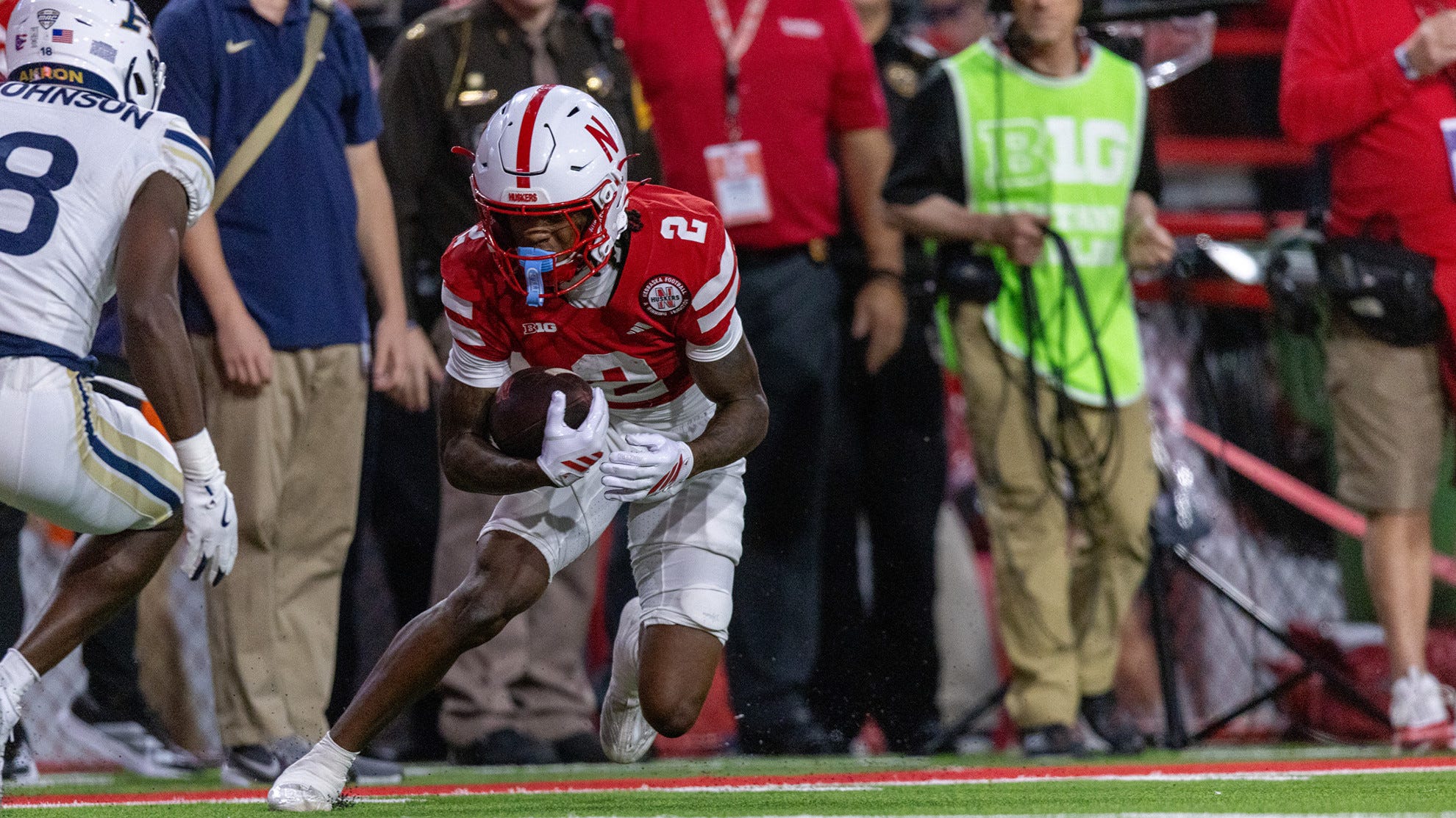
There was, however, one angle into these eight games that interested me—experience. Nebraska has put some chips on this facet of football being a winner in today’s game. A lot of teams are. Indiana’s two years of success under Curt Cignetti are setting the agenda. It’s probably an oversimplification, but you can’t deny the Hoosiers had their two best years in program history, in the coach’s first two years, by not trying to recruit better players and develop them.
No, Indiana just “got old” right away—a familiar coaching cliché—and the on-field results make this the new strategy anyone can notice and adopt. And it might not be a bad strategy, despite its obviousness. The eight games we saw over the weekend certainly didn’t refute it.
If you just went by ESPN’s returning production rankings, the more experienced teams went 6-2 in Week 0. The exceptions were North Carolina grinding out a win in Ireland over TCU and North Dakota State drilling Jacksonville State in Fargo in the Bison’s FBS debut. Outside those two examples, the more experienced team won in the first eight games we’ve seen in 2026.
But returning production is something we only measure in the offseason. How did the actual games go? I compared the experience angle against three other real-time stats I consider pretty important: success rate, explosiveness and turnover margin.
The teams that won success rate in Week 0—meaning they “won” more plays than their opponent based on specific thresholds—went 8-0. This is the calming part of college football. It is the world working the way you assume it should work. Win more plays, win more games.
Explosive plays and turnovers are the more talked about parts of college football, and they didn’t fare as well over our 2026 introduction. The teams with an explosiveness edge went 3-5 on Saturday. North Carolina, USC, Stanford, Florida State and Memphis all got out-exploded but won.
The teams with a positive turnover margin went 4-3. North Carolina, USC and Memphis won despite losing the turnover battle, and two of those games (UNC-TCU, Memphis-UNLV) were close enough on the line to be considered tossups.2
You’re never going to top the ex post facto value of determining which team won more plays.3 More random aspects of the game—explosive plays and turnovers—get more attention, but both fared worse than a simple approximation of experience over the first college football weekend.
This isn’t bad news for Nebraska as we kick off game week. The Huskers rank third in ESPN’s returning production tally.4 The only “more experienced team” they’ll face will be Maryland, and that’s a game at Memorial Stadium on Oct. 3. Nebraska is eight spots ahead of the next most experienced team it will face, Oregon, based on returning production.
By The Athletic’s unit of measure—which tallied career snaps and starts—NU is the 16th-most experienced team in the country by snaps. It will face three “more experienced teams” based on that list: Michigan State, Indiana and Rutgers.
It’s still too early to tell if experience is the trump card in today’s college football. What we can say is it worked pretty well as that through all the (scant few) games we’ve seen thus far. We can also say that Nebraska has it. It will be the more experienced team, based on multiple preseason measures, in most of the game it will play in 2026. That was an intentional decision based on the current market.
The Huskers will (presumably5) release a depth chart later today. I don’t expect many surprises. Most everyone in the two-deep—outside maybe running back—will have plenty of past to point to. That was also intentional.
It’s a reasonable decision. The start to 2026 did nothing to diminish it. We’ll find out if it was the right decision for Lincoln soon enough.
And maybe always? I hope that’s not true as it entirely sinks whatever value proposition I might offer.
USC-San José State was not with the Trojans favored by 30-plus. But maybe that -1 turnover deficit was part of the reason why USC fell 21 points shy of the spread. My theory is USC knew it wasn’t going to lose, used its personnel in line with that belief and the Trojans’ actual quality will be determined later.
This is why we always include success rate in our game previews. We’re just trying to project what it might look like because it’s that important.
The method does try to incorporate production purchased via the transfer portal.
That’s how it’s always been as long as I’ve written about the team, but this offseason has been different so I’m not ruling out “no depth chart” as an outcome.
The only thing I am curious about is a question I've asked for the last couple years, so I will explore it after the 2deep comes out. "How many Nebraskans are on it?". Thank you, good to know "old" matters.